
Wood Destroying Insect Inspections in Central New York and Southern Tier
Insect Inspections That Catch Structural Damage Before Spreading
The most dangerous damage to a home is often the kind nobody sees until it is severe. At Professional Home Inspection Service, our wood destroying insect inspections uncover termites, carpenter ants, and other pests that silently consume the structure holding your house together. These insects work out of sight, weakening framing, joists, and supports long before any visible sign appears. Catching their activity early protects both the safety and the value of your property, turning a potentially devastating hidden problem into something you can address while repairs remain manageable rather than catastrophic.
The wooded, humid environment around Central New York and Southern Tier creates ideal conditions for wood destroying insects, making regular inspection genuinely important throughout the region. We serve homeowners, buyers, and real estate professionals throughout Elmira, Corning, Delhi, Roscoe, Callicoon, Syracuse, and Cortland, New York, where moisture, mature trees, and aging housing give these pests ample opportunity, and our familiarity with local patterns helps us know where trouble hides.
With 25 years inspecting homes across the area, our team recognizes the subtle evidence of insect activity that untrained eyes routinely walk right past. We examine vulnerable areas methodically, distinguish active infestations from old damage, and report findings clearly for buyers and lenders alike. Careful inspection, honest assessment, and thorough documentation guide every evaluation we perform. Buying a home or worried about pests? Reach out through our contact page to schedule your inspection today.
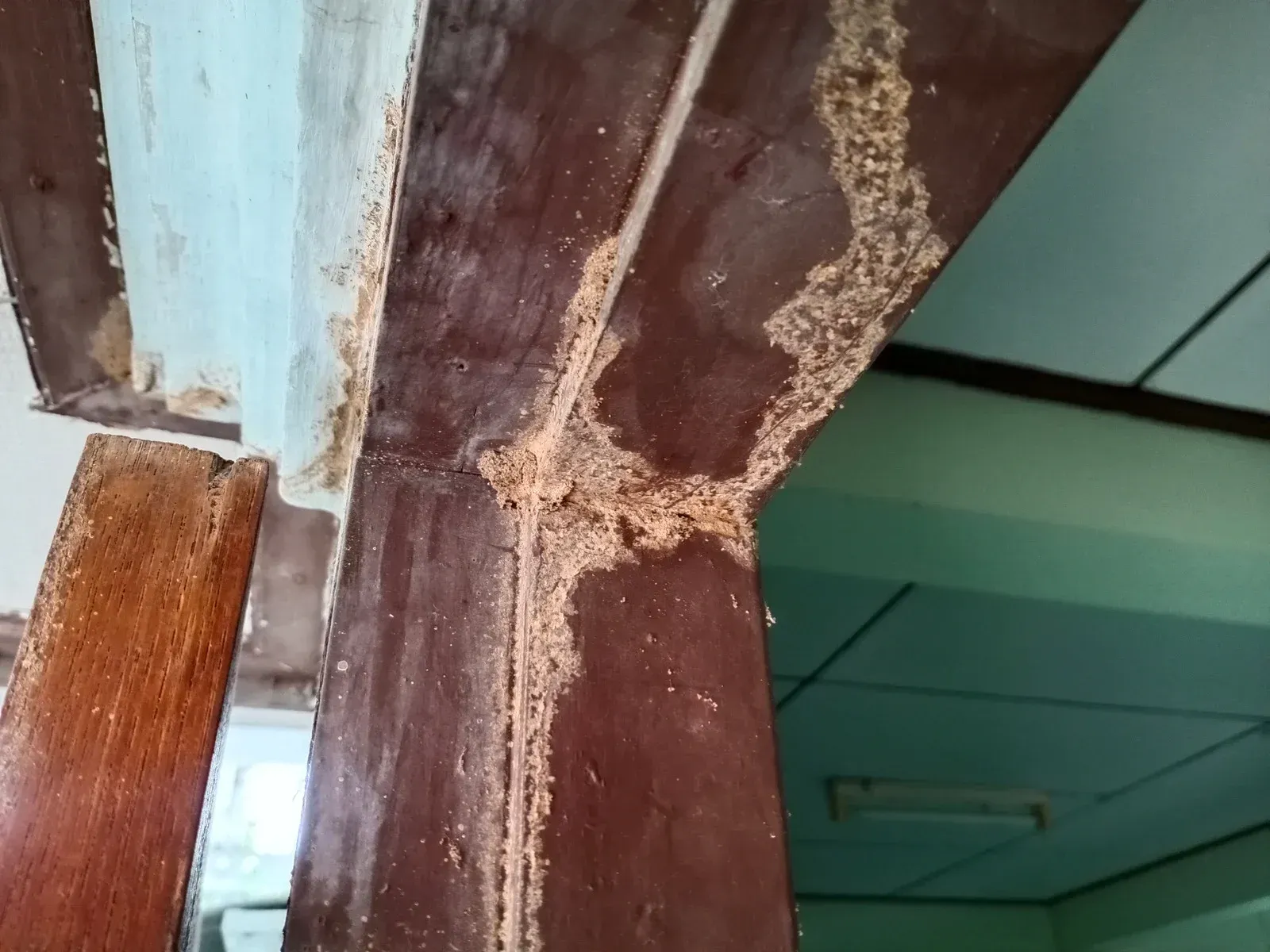
Our Complete Wood Destroying Insect Inspections
Termite Inspections
Termites cause more structural damage than many homeowners realize, working silently inside wood and other vulnerable structural areas. We inspect foundations, framing, crawl spaces, and moisture-prone locations for mud tubes, damaged wood, and active termite activity before the problem spreads further.
Powderpost Beetle Assessments
Powderpost beetles bore through wood and often leave behind fine powder, small exit holes, and weakened wooden surfaces. We assess flooring, framing, beams, and other wood components for signs of infestation, helping identify damage that may otherwise go unnoticed until repairs become costly.
Carpenter Ant Detection
Carpenter ants do not eat wood like termites, but they excavate it to create nesting galleries. We look for frass, hollowed wood, ant activity, and moisture-related conditions that attract them, helping catch infestations before they weaken framing or other structural materials.
Carpenter Bee Inspections
Carpenter bees tunnel into exposed wood to create nesting areas, often damaging decks, trim, fascia, railings, and other exterior wood surfaces. We inspect for round entry holes, staining, sawdust, and repeated activity that can gradually compromise wood if left untreated.
Wood Decay and Rot Evaluation
Moisture and wood-destroying insects often go hand in hand. We evaluate framing, exposed wood, crawl spaces, and structural components for rot or deterioration, since softened or decayed wood can signal both existing damage and conditions that invite future pest activity.
NPMA 33 Report Preparation
Real estate transactions often require official wood-destroying insect documentation. We prepare the standardized NPMA 33 report that lenders, buyers, and agents expect, clearly documenting findings related to termites, powderpost beetles, carpenter ants, carpenter bees, and other wood-destroying conditions.
Warning Signs of Wood-Destroying Insects
Inspection Before Major Property Decisions
A comprehensive wood destroying insect inspection is strongly recommended before buying, selling, or refinancing a home. It helps uncover hidden pest activity early, giving homeowners, buyers, lenders, and agents clearer information before a transaction moves forward or costly structural issues are overlooked.
FHA Loan Inspection Requirement
For residential homes, any loan funded by the FHA requires a wood destroying insect inspection before closing. This makes the inspection more than a precaution for many buyers, because the property must be checked and documented before the sale can be completed.
Hidden Infestation Warning Signs
Wood destroying insect infestations are not always easy to see. Termites and other pests often work inside wood, behind finishes, or around foundations, so a full interior and exterior inspection is needed to identify weakened structures, mud tunnels, and hidden damage.
Ground Contact Risk Areas
Any place where wood touches the ground can become an access point for termites, ants, and other pests. Porches, siding, foundations, crawl spaces, and exterior wood details should be inspected carefully because these areas often allow insects to begin burrowing inside.
Common Wood Destroying Insects
Termites, powderpost beetles, carpenter ants, and carpenter bees can all damage home structures in different ways. Some consume wood, while others tunnel through it to nest or lay eggs, gradually weakening the materials that support and protect the property.
Structural Areas At Risk
Wood destroying insects can compromise rim joists, floor joists, foundations, cabinets, porches, siding, and other wooden components. When damage continues unnoticed, these everyday structural elements may lose strength, creating repair costs and safety concerns that could have been caught earlier.
Protect Your Home From Silent Wood Destroying Threats
Wood destroying insects do their worst work in silence, and by the time the damage shows, the repair bill has usually grown alarming. At Professional Home Inspection Service in Binghamton, New York, we bring these hidden threats into the light, catching termites, carpenter ants, powderpost beetles, carpenter bees, and related damage before they undermine your home’s structure. Our team is DEC certified to identify these insects and the damage they may have caused, and we also carry a T-license Category 7C technician card as part of our certification. For FHA inspections, we complete the required NPMA-33 Wood Destroying Insect Inspection form. We share findings clearly and advise you on pest control treatment options when further action is needed. Visit our contact page or submit our inspection request form.
FAQs - Frequently Asked Questions
How do I know if I have wood destroying insects?
Warning signs include mud tubes, small exit holes, fine sawdust, hollow-sounding wood, and discarded wings near windows. Many infestations show little obvious evidence, however, which is exactly why professional inspection reliably catches activity that homeowners frequently miss entirely until the damage becomes severe.
When should I get an insect inspection?
Schedule one before buying a home, when selling, or whenever you happen to notice possible signs of activity. Many lenders also require inspection during transactions, and periodic checks for current owners help catch infestations early, before they cause serious and expensive structural damage.
What insects damage homes in this area?
Termites, carpenter ants, and powderpost beetles are the primary culprits locally, each one damaging wood differently. Our region's persistent moisture and mature trees create favorable conditions for all three, making inspection worthwhile for protecting the structural wood throughout homes across the area effectively.
Is a WDI report required for a mortgage?
Many lenders require a wood destroying insect report before approving financing, particularly for certain loan types. Having the standardized documentation ready prevents delays, keeps your closing on schedule, and satisfies lenders who need assurance the property is structurally sound and pest free.
Does Professional Home Inspection Service serve home buyers?
Yes, frequently. Serving Binghamton, New York and surrounding communities, we regularly inspect homes for buyers and the real estate professionals guiding them, delivering clear reports that reveal a property's true condition before a major purchase decision becomes final and effectively irreversible.
Can you tell active infestations from old damage?
Yes, and the distinction matters greatly. We carefully assess whether evidence indicates current activity or past, already-resolved damage, so you understand whether you face an active problem requiring treatment or simply historical marks from an infestation that no longer threatens the structure.
How long does an insect inspection take?
Most residential inspections take roughly an hour, depending on the home's size, layout, and the accessibility of vulnerable areas. We examine the structure methodically rather than rushing through, then explain our findings clearly so you fully understand the property's condition before deciding anything.
Do you prepare reports for real estate deals?
With 25 years serving Binghamton, New York, we prepare the standardized NPMA 33 reports that real estate transactions require, documenting our findings in the recognized format lenders and buyers expect, so your closing proceeds smoothly with everyone confident about the property's structural condition.